
Vasantham: Embracing the Spring Season in Ayurveda
(Mid-March through Mid-May)
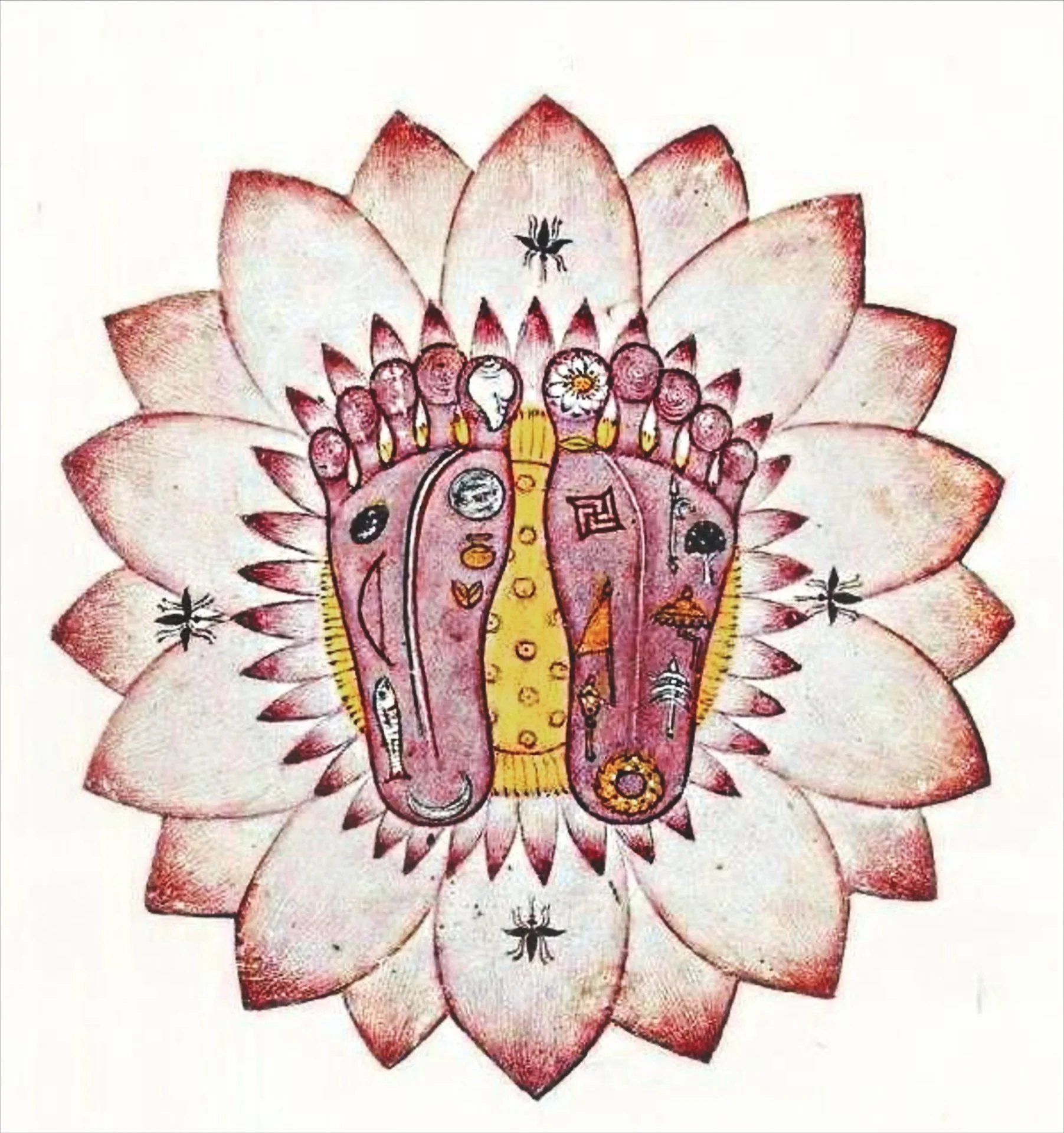
Artist Unknown - LOTUS PADMA
The Spring Equinox marks a point of balance between day and night, a subtle threshold as we move into longer days, increased warmth, and rising moisture.
In Ayurveda, this season is known as Vasantham, occurring within Adaan Kaal, the northern solstice, a time when the strength of the sun begins to draw energyupward and outward. As this shift happens, the body transitions out of its winter state, where nourishment and storage were essential, into a phase of movement and release.
Winter carries cold, damp, and heavy qualities, and we tend to mirror this through slower rhythms and denser foods. Over time, this naturally leads to an accumulation of kapha in the body. With the arrival of spring and the increasing warmth of the sun, that accumulated kapha begins to soften and liquefy.
As this melting occurs, it can also dampen agni, the digestive fire, leaving digestion slower or more sensitive than usual. What we often experience as congestion, colds, or seasonal allergies is not the body failing, but the body clearing. Spring is a time of mobilization, and what was held begins to move.
The role of seasonal practice is to support this clearing so it does not become stagnation. Without that support, excess kapha can linger as heaviness, fatigue, or a sense of dullness in both body and mind. While vata may feel steadied by the moisture and gentle warmth of the season, and pitta remains relatively balanced in early spring, kapha is the primary dosha to tend to during this time. Spring invites more stimulation, more lightness, and more circulation, both internally and in how we move through our days.
To support your body through Vasantham, here are some practices to integrate into your daily rhythm:
Wake with the dawn to align with the seasonal vitality. Rising before 7am helps reduce kapha, leaving you feeling lighter and more energized.
Morning oral care: Brush your teeth with warming herbs such as fennel and scrape the tongue to remove overnight accumulation.
Nasya: Administer a few drops of warm herbal oil in each nostril to lubricate the passages and support clearing of mucus and seasonal congestion.
Oil massage (Abhyanga): Apply sesame or sunflower oil daily, following with a warm shower to refresh the skin and circulation.
Dry or herbal powder massage: Stimulates the lymphatic system, reduces fluid retention, and supports elimination of excess kapha. Chickpea flour is especially useful.
Sauna or gentle heat therapies: Help to dry excess moisture and clear stagnation.
First drink of the day: Warm ginger tea with lemon and a small amount of honey to stimulate digestion and reduce mucus.
Movement: Engage in dynamic, stimulating yoga or exercise, including breath practices such as kapalabhati to energize and clear the lungs.
Meals: Favor warm, light, and easily digestible foods. Include bitter, pungent, and astringent tastes such as asparagus, leafy greens, spices, and pulses. Light grains such as rice, quinoa, barley, and millet are supportive. Avoid cold, heavy, fatty, overly sweet, or sour foods.
Fermented preparations: Small amounts of herbal infusions, wines, or honey mixed with warm water can aid digestion and circulation.
Aromatic support: Sandalwood (chandan) and camphor (karpura) help balance heat and support clarity.
Sleep: Go to bed before 11pm to wake naturally with the light, supporting the body’s seasonal rhythm.
Spring is also an ideal time for gentle cleansing. The body is already moving in that direction, naturally releasing what has accumulated over the winter months. You can support the lungs with mild expectorant herbs and, as the season progresses, turn attention to the liver, nourishing it after the winter season.
There is a quiet poetry in the landscape itself. Yellow flowers begin to appear everywhere, a subtle reflection of what the body is ready to tend to. This is echoed in an old herbal understanding, often referred to as the doctrine of signatures, which observes how plants reveal their medicinal qualities through color, shape, and form. In this context, yellow has long been associated with the liver, gently guiding us toward support and clearing. Later in the season, bitter herbs such as dandelion or neem can be introduced, and turmeric with aloe vera can help clear residual heat and restore balance.
Maintaining a consistent sleep rhythm remains essential. Going to bed before 11pm allows you to wake with the light, honoring the seasonal shift. Spring is a transition that asks for participation. The body is already doing the work of clearing, and the more we support it, the more energy, lightness, and clarity can emerge.